What Actually Happens During a House Lockout — and How We Handle It
A house lockout can stem from a dozen different causes: a key snapped inside the cylinder, a spring-latch that clicked shut behind you, a deadbolt thrown from the inside by a family member who doesn't realize you're outside, or a lock that simply failed mechanically. Before our technician touches anything, they ask a few ownership-verification questions — this is standard practice and protects every homeowner in Montgomery. We're not the kind of operation that skips that step.
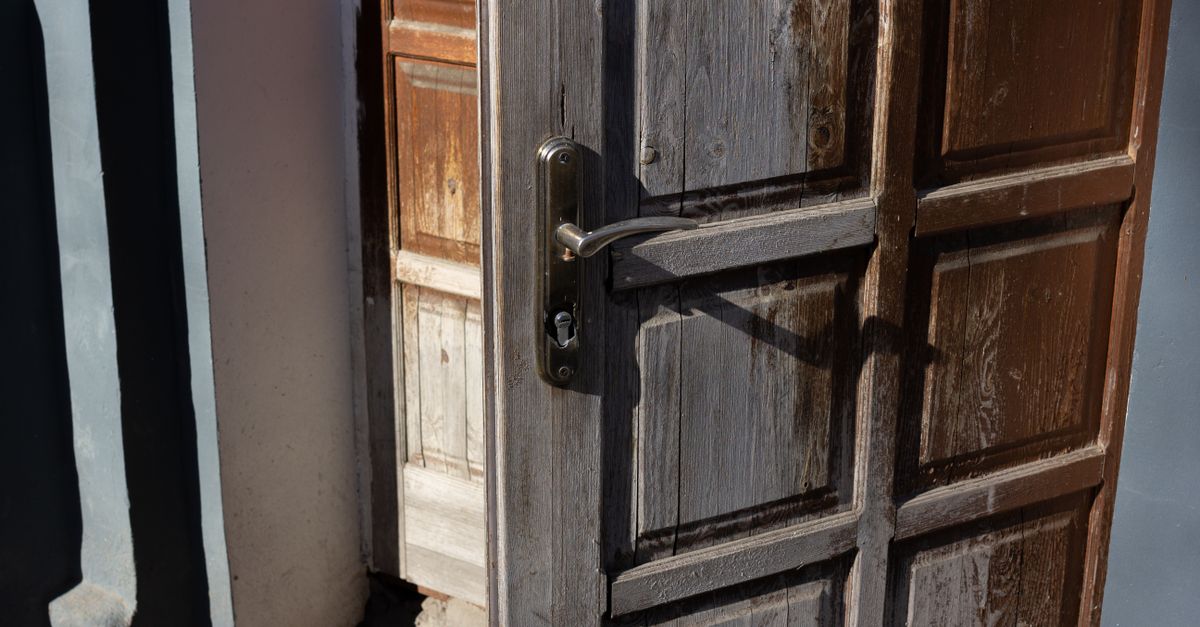
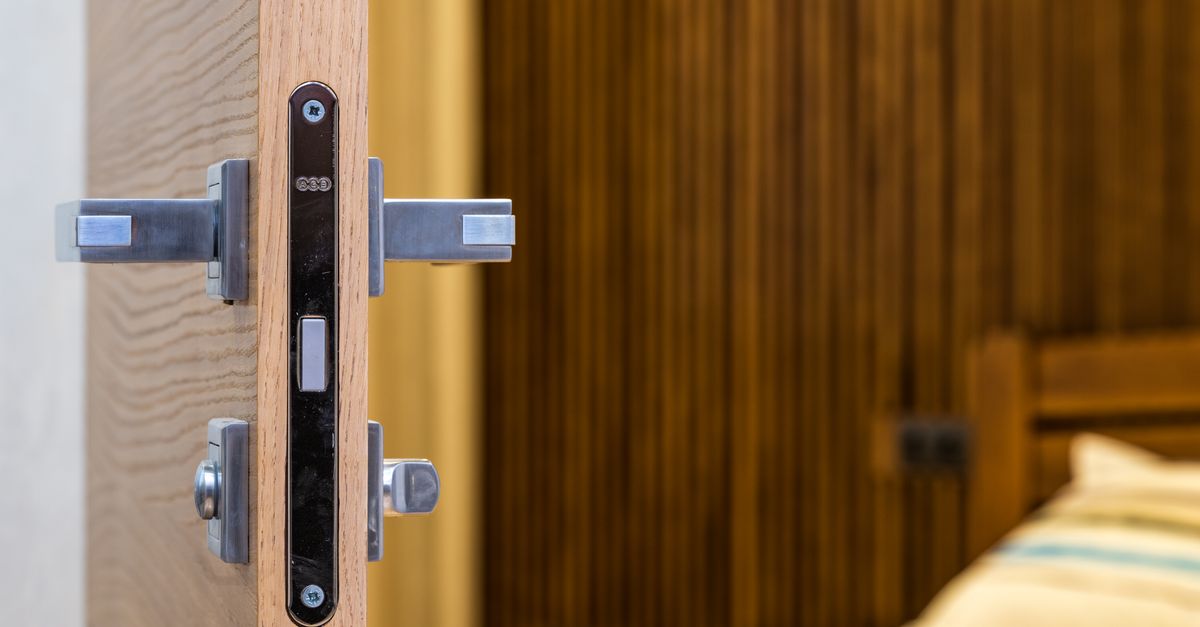
Once identity is confirmed, our technician assesses the specific hardware on your door. A traditional mortise lock — the rectangular, heavy-duty lock body that sits inside a pocket cut into the door edge, common on homes built before the 1980s — requires a completely different approach than a modern cylindrical door knob lock or a Grade 1 deadbolt. Our goal is always non-destructive entry first. In most residential scenarios, that means manipulating the lock cylinder using professional techniques that leave the hardware intact and your door undamaged. Forced entry is an absolute last resort, discussed openly with you before any action is taken.